
Interview with David Samuel
We interviewed David Samuel of RareKind Agency to find out about his graffiti background, his studio art practice and the RareKind story.

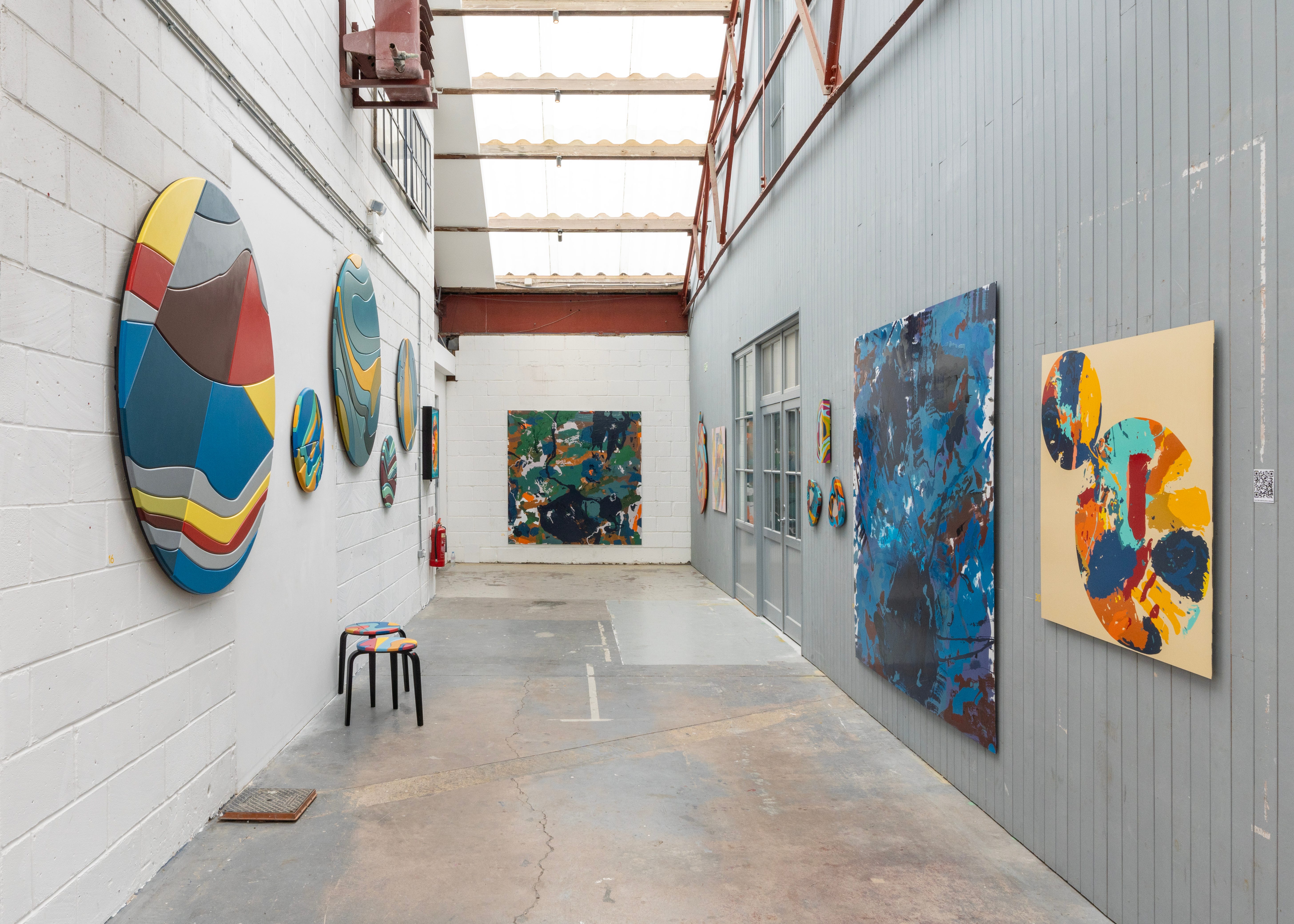
David Samuel’s work is well known in the North Acton area. Murals with distinctly saturated colours and tricky spatial play fill the streets with movement. His paintings, sculptures, and engineered wood were exhibited in the solo exhibition They Didn’t Teach Us This Bit at Excelsior London from June - July 2024.
Where did you grow up?
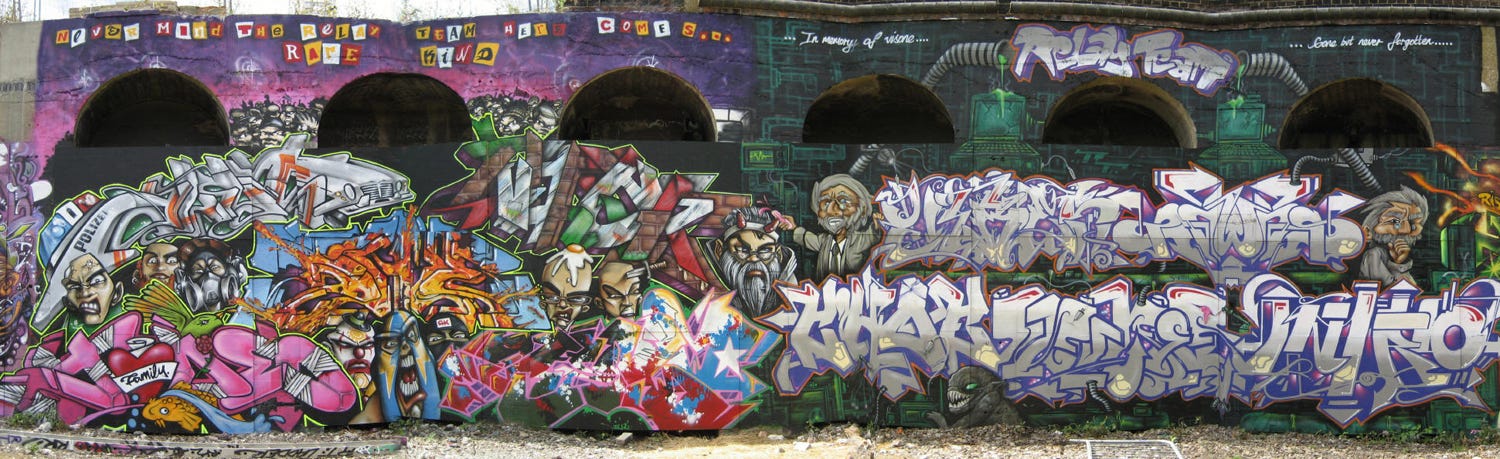
I grew up in Northwest London in Kilburn, on an estate. It was an incredible place to be in the 80s and 90s but also was quite traumatic at times. My estate was in-between three others, there were hundreds of kids and you're all the same and you don't know you're poor, working class.
I'm not familiar, is it quite a poverty-stricken area?
Yeah, like every neighbourhood of London there are areas of poverty. Kilburn was a different world compared to where we are now. It was quite innocent really. Everything was still very local, local life, local news and local papers and yeah it was amazing. I mean admittedly a lot of bad stuff did happen. I've been in therapy for many years which helped me through that. At the same time, it was exhilarating and fun and it helped me grow up and it showed me so much about life. I put my mum through a lot as well, I found graffiti at 15 and she was really upset but she was so proud of me as it developed into what it did. She told me later on she knew every time I snuck out at night to paint and she couldn't sleep until I came back in. It was hard for her.
What got you into graffiti?
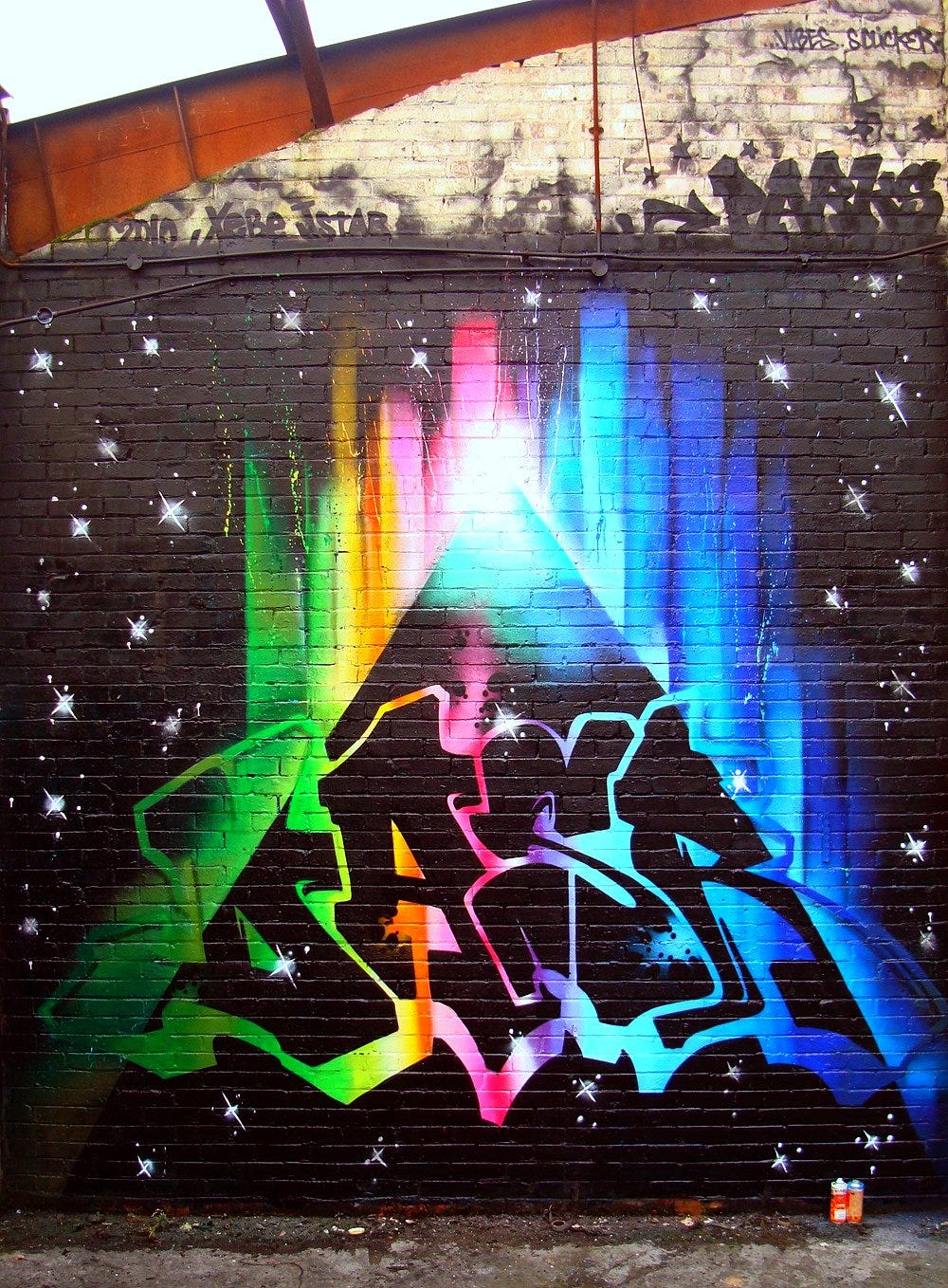
One hard thing about growing up in those estates, the hundreds of kids, I wanted to be known. I tried a lot of different ways to get that notoriety, and crime was one of them. A lot of shit went on, gang affiliations, police and stuff and it wasn't getting me the name I wanted. I'd always loved graffiti, and I met another kid in school, and he tagged. The moment I found that connection, that ‘in’, I started painting and was like, “This is what I'm going to do. This is where I'll get my name, and no one gets hurt.”
I remember getting approached by a group of guys I used to hang around with before graffiti. They asked “What the fuck are you doing writing Daz shit around the area? Who the fuck do you think you are?”
I remember replying, “I'm not who I thought I was. I am this person.”
And they were taken aback by me saying that because I stood on it so much. Like, this is who I am. I'm not the person you thought I was or who I thought I was. It was quite a pivotal moment for me. I was really proud of myself that day because it came out so naturally.
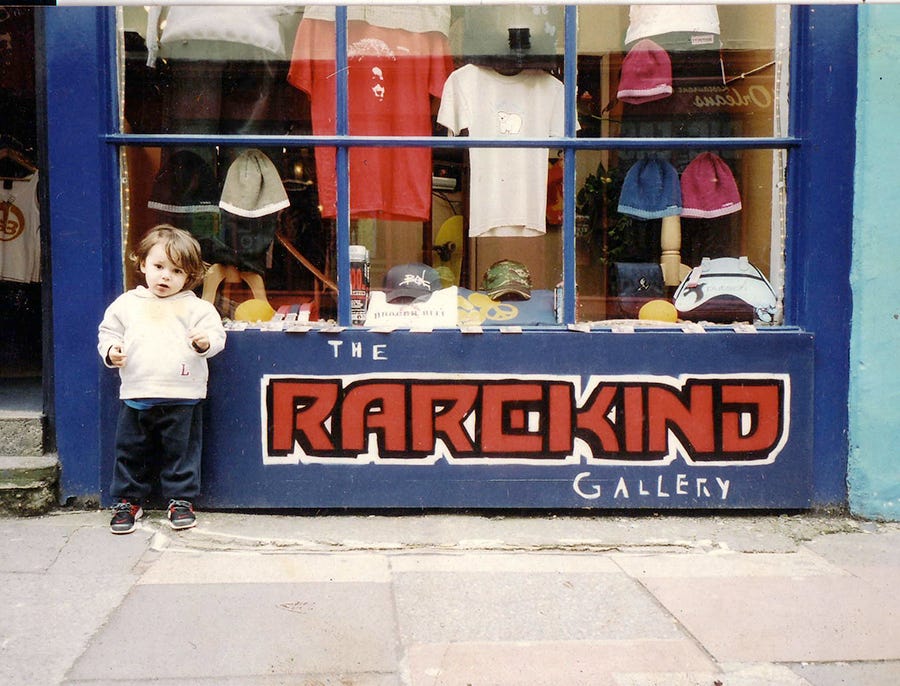
Yeah, the 90s were mental. It was also a wicked evolving time in graffiti culture. Magazines, videos and websites by the late nineties were coming out. I became a dad in 2000 and I still painted quite hardcore when Josh was very young. I was still painting trains. I wasn't tagging as much. I moved to Brighton actually just before he was born and I opened the UK's first graffiti art gallery there in 2003.
What was the gallery about?
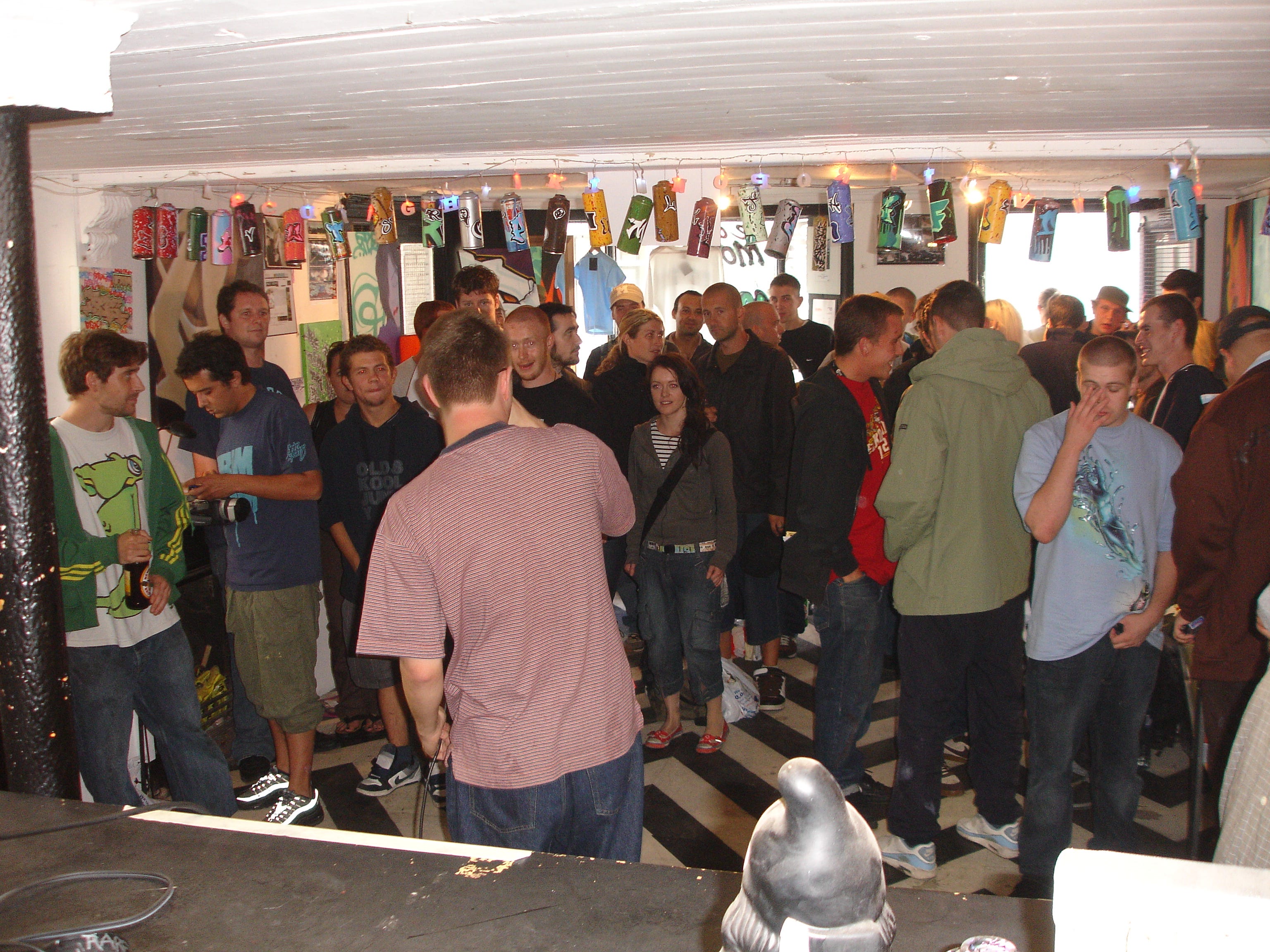
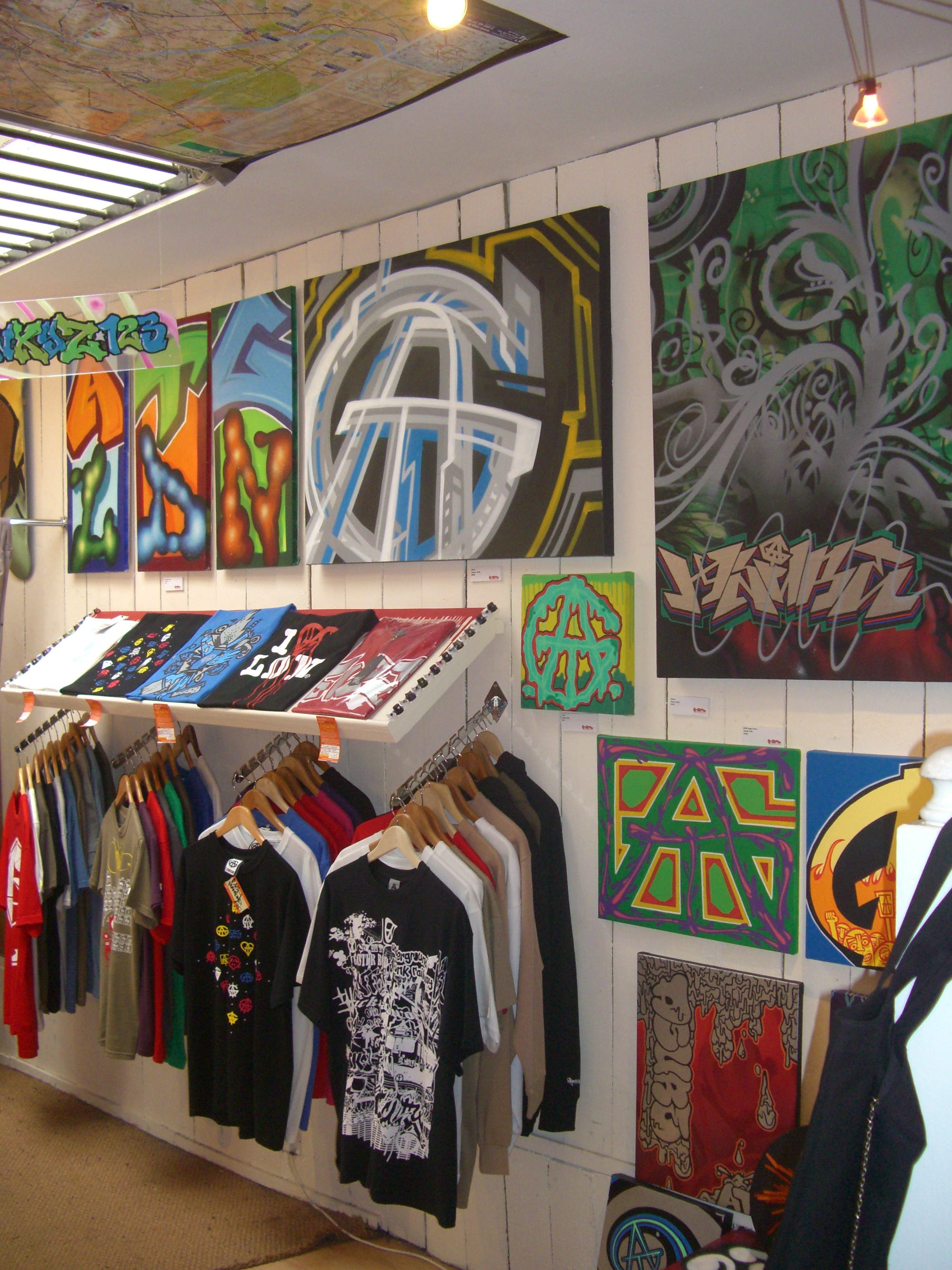
I didn't care what you painted, you could paint a hoover but as long as you were a graffiti writer and you painted it on a canvas I'd try and sell it. But I was very strict, I was very young and arrogant so there were no stencils allowed, no tape, and everything had to be freehand. It had clothing, spray paint and records too. It evolved into this beautiful space and a lot of people took part in it. That shop was really influential, it was a wicked spot. My friend Ewen joined me in the space in 2006 and solidified the record stock and sales. RareKind Records is still in Brighton. It's lovely to have set something up 21 years ago and it's still going.
Who was buying the works?
The shop very rarely made its own money. Not once in my eight or nine years did it ever really make its own money. I would get a painting commission and, go out, make a few grand, and have the rent for a couple of months. Paintings in the shop sold, I just wasn't making much from other people's sales. The shop was more of a youth centre than a retail establishment.
When you came back to London were you pursuing the same style as you are now?
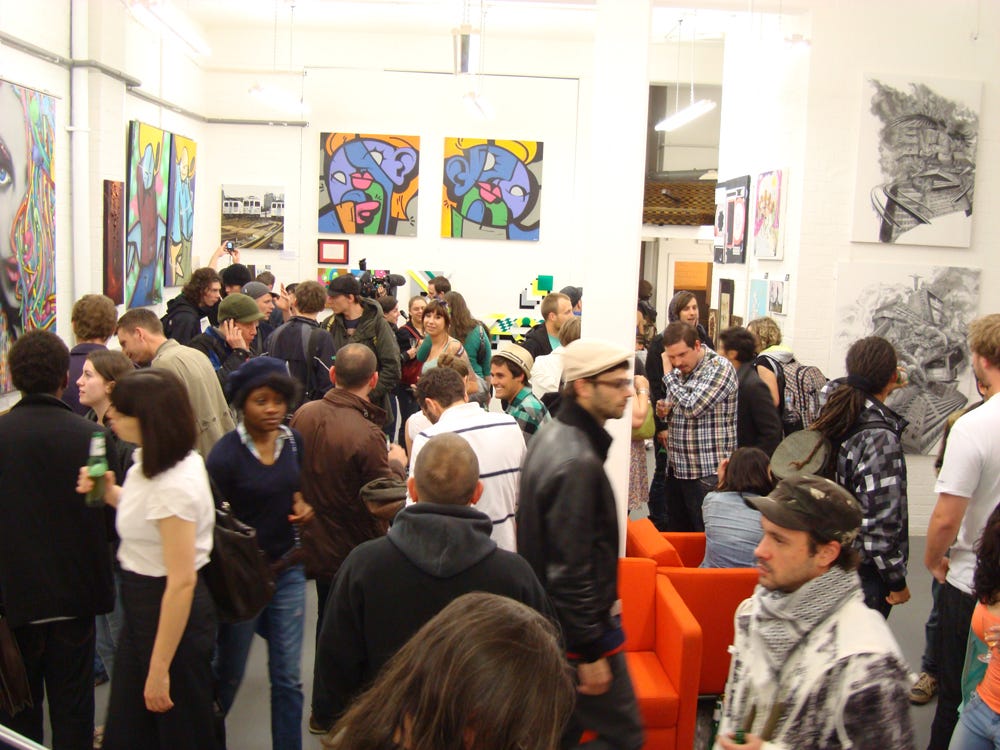
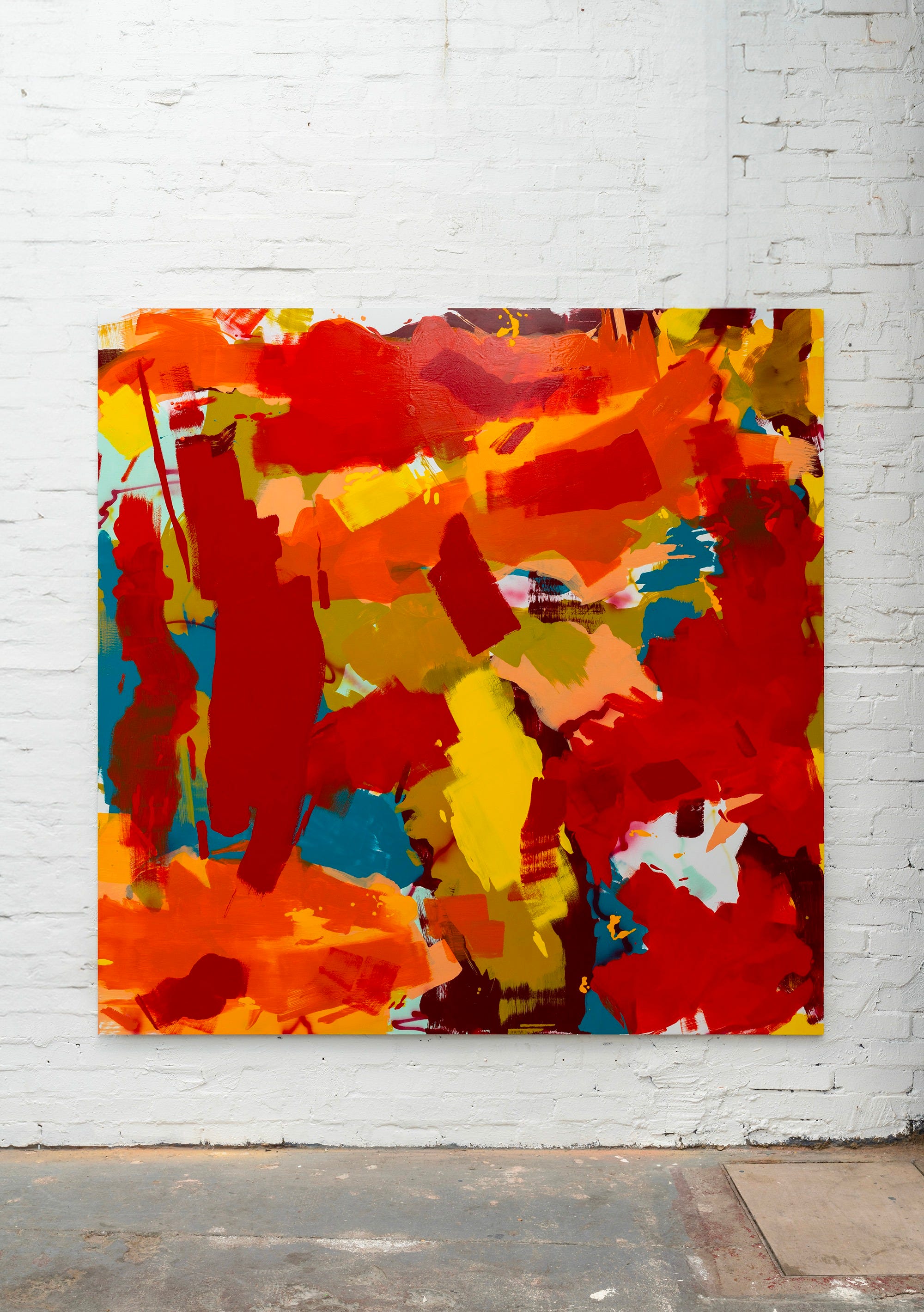
When I shut the gallery, I had all these artists attached to me in a way. I set up an agency. I was pushing the agency, and through that I’ve managed art projects including hotels and residential buildings in other cities and worked with various brands on campaigns. I can paint graffiti and I can paint a portrait and I can paint typography but I hadn't found this current style until 2018. These three paintings at Excelsior were the beginning of this style. The break from Covid gave me that luxury of time to really concentrate on something and through that time I practised my own art. I know what I want to paint, I know it's abstract and it is mixed paint. I've got a story within it now and meaning. Post-COVID, we did the One West residential towers in North Acton. I was commissioned to produce a mural on every floor, 91 in total over 3 buildings, art galleries in the shared spaces and we did all the way-finding signage.
How did you get into the series in your recent show at Excelsior?
That whole last series was basically about my mum and my mother-in-law because they both passed away in the last year and both had dementia. Mum had cancer as well, and it was just fucking hard, emotionally hard. I've done these four massive paintings, two by two-metre paintings. It ended up becoming a series of seasons called A Life of Springs, A Life of Summers, A Life of Autumns and A Life of Winters. And so whilst doing those four paintings, it was about those two women and their lives. The glitch paintings I produce are about relationships and the fractures in them, whether good or bad and how you survive them. I felt very complete with that, my work had a reason.
How did you get into the 3D realm?
That was just a mad fluke. I am playing on Illustrator and asked around and Paola from Blast studios gave me some tips on how to use software to realise these ideas.
It looked like hundreds of hours of work in that show.
29 pieces I put in there, a lot of work and time but what an amazing time for me. I sold the four seasons paintings, the four big ones, and that was hard because they meant so much to me. I delivered them a couple of weeks ago. It's quite strange to have them gone now. But also, a proud moment because the buyer obviously felt an affinity with them, and he didn't really know the story about the painting. So yeah, I was very proud of that show. I mean, I just want to be an artist. That's all I want to do really.
But I can't deny to myself what I've done with RareKind and what I'm doing. So it's like that helps me be a bit braver, you know? Take the fucking risk, make the piece, buy the fucking gear or software and use it. You stand by your work.
Interview from October 2024. All images are courtesy of the artist unless otherwise stated.